
What makes it worth doing
Sherpa culture and history
The route follows the path used by many Everest expeditions. You pass monasteries, prayer wheels and carved mani stones, and you stay in villages where mountaineering has shaped local life for generations. Namche Bazaar and Tengboche are worth the trip by themselves.
Some of the world's greatest mountain scenery
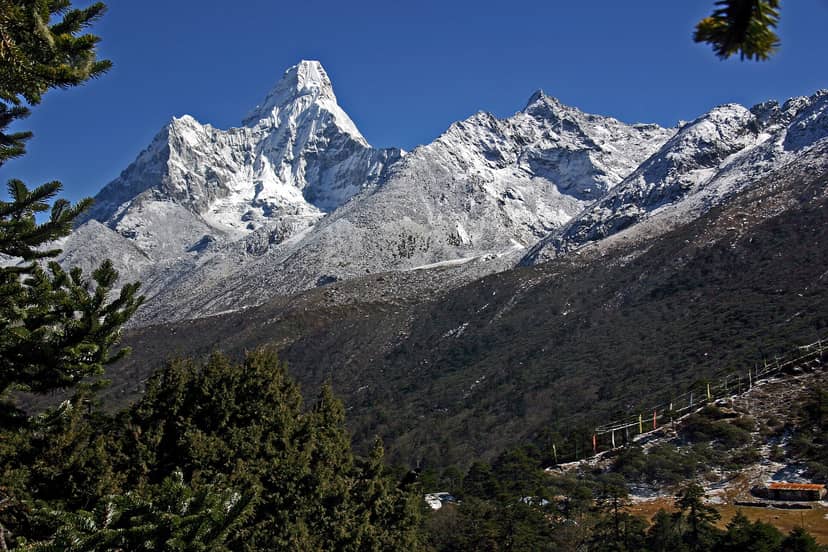
Ama Dablam, Lhotse, Nuptse, Pumori and Everest itself all appear along the way. Ama Dablam, which towers over the middle part of the trek, often turns out to be people's favourite peak.
The personal challenge
Reaching Base Camp on your own feet, after days of slow and steady effort, is a real achievement. No special climbing skills are needed, which makes it one of the most reachable big goals in mountain travel.
What disappoints some people
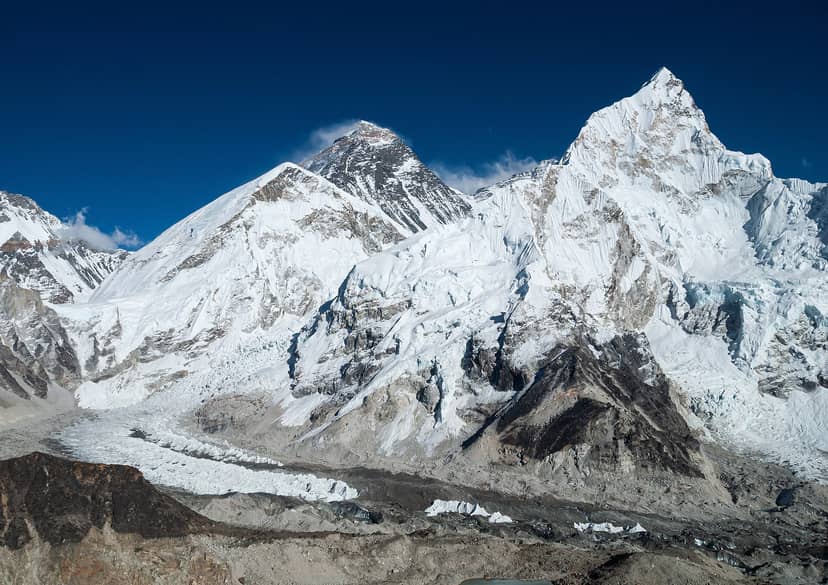
You can't really see Everest from Base Camp
This surprises many trekkers. The summit is largely hidden by its neighbours when you stand at Base Camp. The classic view comes from Kala Patthar, a nearby viewpoint that most trekkers climb at sunrise or sunset. Base Camp itself is mainly a rocky glacial area marked by prayer flags, and in spring you may see the tents of climbing expeditions. If you're expecting a grand summit view at Base Camp, make sure Kala Patthar is in your plan.
Crowds in peak season
Nepal Tourism Board figures show October was the country's busiest month in 2025, with March and November next. The Everest trail is one of the country's best-known routes, so expect queues for flights and busy lodges in those peak weeks. Booking early helps, as does starting your trek just outside the busiest period.
Unreliable flights
Mountain weather often delays flights to and from Lukla, sometimes for days. You may also need a very early road transfer to Ramechhap airport. Allowing spare days is essential, and that makes the trip longer overall.
Cost and comfort
It's more expensive than many other Nepal treks, largely because of the flights. See our Everest Base Camp cost guide. Food and lodging are simple, and the last few nights can be cold and uncomfortable, with poor sleep common.
Altitude can spoil the fun
Headaches, poor sleep and loss of appetite are common at this height. Some people have to turn back. It's worth going in knowing that reaching Base Camp isn't guaranteed. Read how hard the trek really is before you decide.
Who it suits best
- People for whom Everest itself means something special
- Those with about two weeks plus some spare days
- Reasonably fit walkers who are happy with simple lodges
- Travellers who like a well-established route with plenty of facilities
Who might prefer something else
| If you want | Consider | Why |
|---|---|---|
| Everest views with less altitude | Everest Panorama Trek | Stays below 4,000 m and takes about 10 days |
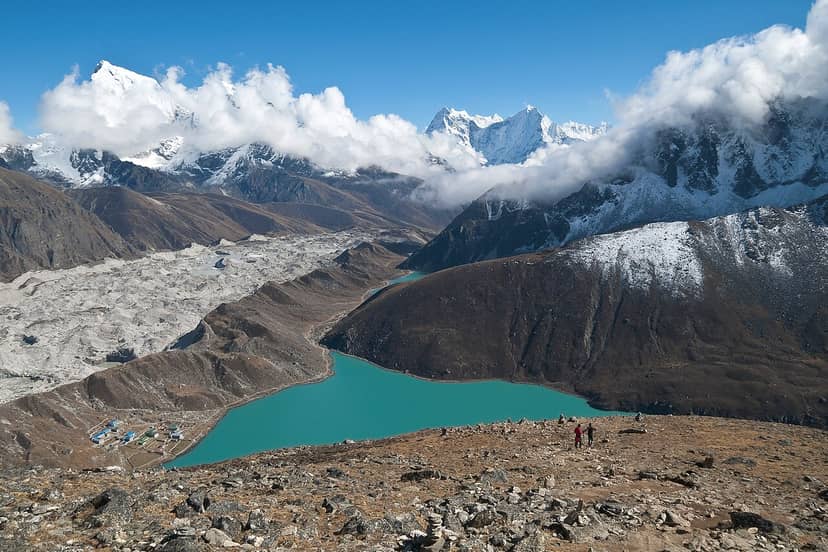
| Fewer people and turquoise lakes | Gokyo Lakes Trek | Gokyo Ri gives a great view of Everest and other giants |
| A big-mountain finish in less time | Annapurna Base Camp Trek | Lower, shorter and no mountain flight needed |
| A short first trek | Ghorepani Poon Hill Trek | Easier, with big views from about 3,210 m |
| Everest from the air, with no trekking | Helicopter Tour | A morning trip from Kathmandu, weather permitting |
How to make it worth it
- Include Kala Patthar in your itinerary, because that's the view you came for.
- Choose autumn or spring for clearer weather, and avoid the busiest weeks if you can.
- Don't rush. A slower plan is safer and more enjoyable.
- Add spare days for flight delays, so the trip's end doesn't become stressful.
- Spend time in the villages, rather than treating them as stops on the way to a photo.
How much time and money you should allow
Our standard itinerary takes 15 days from arrival to departure, including rest days and a spare day in Kathmandu. Because flights to Lukla can be delayed, adding a further day or two before your flight home is wise. Costs vary widely, but a standard guided trek is commonly advertised at about US$1,250 to US$1,800 per person, before your international flights and extras. Our cost guide has the full breakdown.
If you only have a week, it's better to choose a shorter trek you'll enjoy than a rushed trip to Base Camp. Going high too quickly increases the risk of altitude illness.
Questions to ask yourself
- Why do I want to go? If Everest itself matters to you, few alternatives will satisfy you. If you simply love mountains, you have other great options.
- Can I accept not reaching the end? Altitude can stop anyone.
- Am I fine with basic rooms and cold nights? Comfort drops as you climb.
- Do I have spare days? They make the difference between a calm trip and a stressful one.
- Would a quieter route suit me better? The Gokyo valley has big views and usually fewer people.
Common questions
Can you see Everest on the trek?
Yes, on clear days, starting with distant views from around Namche Bazaar. The best close view is from Kala Patthar, not from Base Camp.
When can you see climbing expeditions at Base Camp?
Expeditions usually gather in spring. Outside spring, you may find it a far quieter place with no tent city.
Is it better to go in spring or autumn?
Autumn often brings clearer views, while spring offers warmer weather, blossoms and the chance to see climbers. Both are busy.
The verdict
If the idea of Everest has stayed with you for years, it's very likely worth it, even with the crowds and discomforts. If you simply want a wonderful trek in the Himalaya, you have plenty of other choices, and some will offer better value for your time.
See the full Everest Base Camp itinerary, or tell us what you're looking for and we'll help you compare routes.


Comments