
Fit, determined beginners do complete it. But no one can promise that you'll reach the top of the route, because how your body responds to altitude varies and isn't easily predicted by fitness.
What makes it hard
1. Altitude
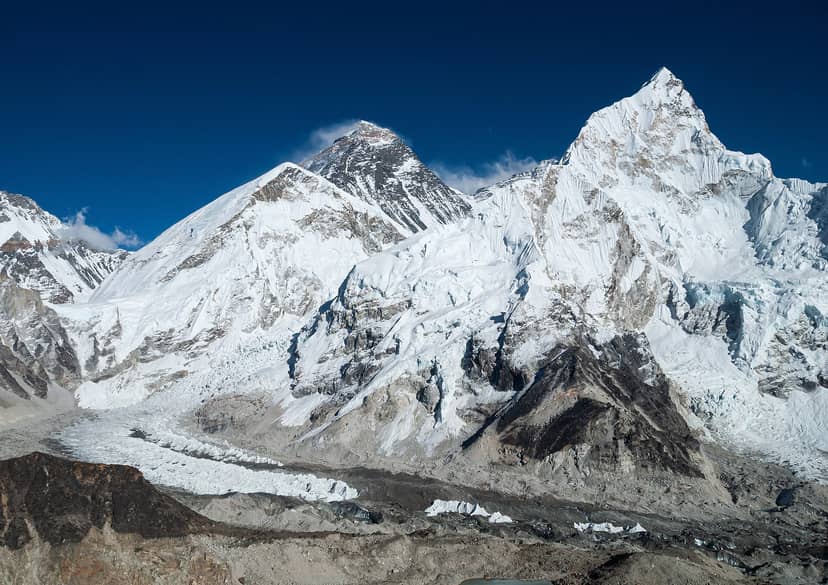
This is the main difficulty. Base Camp stands at about 5,364 m and the Kala Patthar viewpoint at about 5,545 m, although some sources give a higher figure for Kala Patthar. At these heights, air pressure is about half of what it is at sea level. Simple actions such as climbing stairs or tying your boots can leave you short of breath.
The US Centers for Disease Control and Prevention (CDC) explains that altitude illness is linked to how quickly you gain height. That's why a sensible itinerary has rest days at places like Namche Bazaar and Dingboche. Our altitude sickness guide covers the warning signs.
2. Many days in a row
You'll typically walk for about 5 to 8 hours a day over 8 to 10 days going up, then 3 to 4 days coming down. Individual days aren't extreme, but the effort adds up. The trek is commonly described as about 130 km there and back from Lukla, and you'll climb and descend a great deal along the way.
3. Steep sections
Much of the route is a rocky, well-used path. It has some long climbs, including the hill up to Namche Bazaar and the climb to Tengboche. Above Lobuche, the trail crosses rough glacial moraine with loose stones.
4. Cold, poor sleep and small discomforts
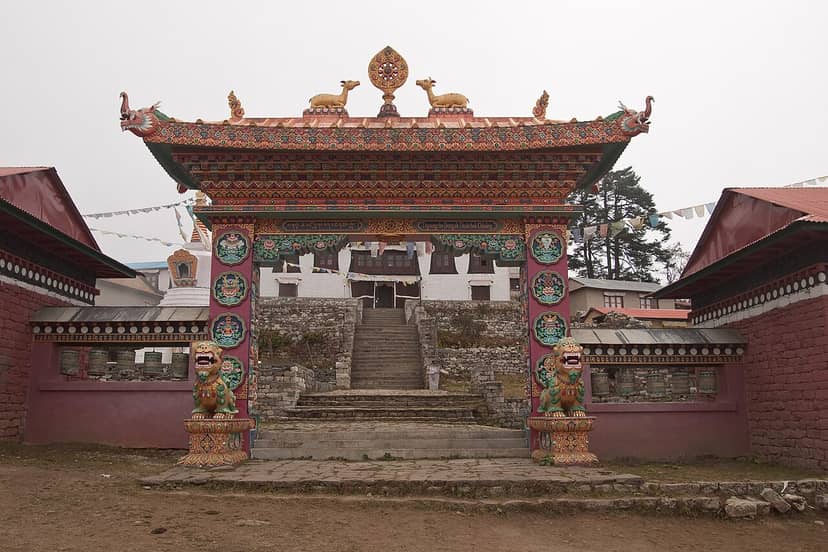
Nights are cold, especially above 4,000 m. Sleep is often broken at altitude, appetite can drop, and the dry air commonly causes a cough. Teahouses are simple, with thin walls and basic toilets. These small things wear you down, and they're often what makes the final days feel so hard.
How fit do you need to be?
You should be able to walk for 5 or 6 hours with a light daypack, and then do the same the next day without being exhausted. There's no official fitness test, but that's a useful benchmark.
Being very fit helps with fatigue and enjoyment, but it doesn't protect you from altitude sickness. Very fit people can still become ill, particularly if they ascend too fast.
How to train
Start two to three months ahead if you can, and build up gradually:
- Long walks: build towards a full day out with a loaded daypack, ideally with back-to-back days.
- Hills or stairs: practise steady uphill walking. Practise going downhill too, because it's hard on your knees.
- Cardio: cycling, running or swimming, a few times a week.
- Leg and core strength: simple exercises such as squats, lunges and step-ups.
- Your boots: walk many miles in them before you travel. Blisters end more treks than people expect.
Who should think twice?
Talk to a doctor who understands travel at altitude before booking if you have heart or lung conditions, are pregnant, have had altitude illness before, or take regular medication. The CDC notes that some pre-existing conditions need special consideration at altitude. Age alone isn't a barrier, and your own health matters much more.
How it compares with other treks
| Trek | Highest point | Our rating |
|---|---|---|
| Ghorepani Poon Hill | 3,210 m | Easy |
| Everest Panorama | 3,860 m | Moderate |
| Annapurna Base Camp | 4,130 m | Challenging |
| Everest Base Camp | About 5,545 m | Challenging |
If you'd like to test yourself first, a shorter trek such as Poon Hill is a good way to see how you enjoy trail life.
Tips that make it easier
- Walk slowly from the first day, even when you feel strong.
- Choose an itinerary with proper acclimatization days, and don't skip them.
- Tell your guide about any symptoms right away, however small.
- Drink regularly and eat, even if your appetite is low.
- Keep your daypack light and use trekking poles on the descents.
- Give yourself spare days, so you're not under pressure to continue if you feel unwell.
Turning back is always an option, and it's sometimes the right one. The CDC's advice is clear: never go higher to sleep while you have symptoms.
The hardest days, in order
Based on a standard itinerary such as ours, these are the days most people feel:
- Phakding to Namche Bazaar: the first big climb, with a long uphill after the high suspension bridges, gaining about 800 m in sleeping height.
- Dingboche to Lobuche: not long, but you're now above 4,500 m and every step feels slower.
- Lobuche to Gorak Shep and Base Camp: usually the longest and toughest day, on rough moraine at over 5,000 m.
- The Kala Patthar climb: a steep, cold, pre-dawn effort right after a poor night's sleep.
- The long descent: easier on your lungs, but hard on your knees and tired legs.
The mental side
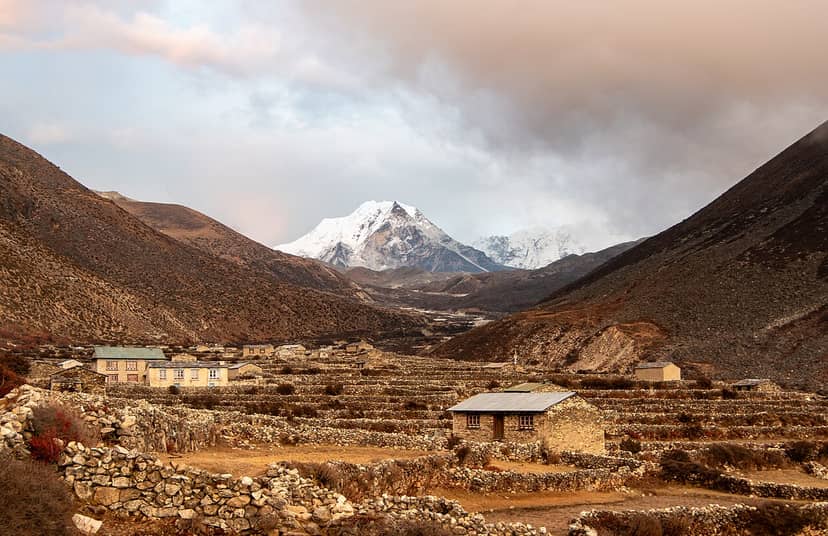
People often underestimate this part. Up high, you walk slowly, feel out of breath, sleep badly and may lose interest in food. It's normal to feel flat or to question why you came. Short goals help, such as reaching the next tea stop, and so does a steady pace that lets you enjoy the scenery.
Common questions
Can a complete beginner do it?
Yes, some do, especially with training and a sensible itinerary. Still, we suggest trying a multi-day hike at home first, or starting with a shorter first trek in Nepal if you've never walked several days in a row.
Is there an age limit?
We don't know of any official age limit. Older trekkers do complete the route, often with a slower itinerary and extra days. Children and older adults should get medical advice first, and the CDC has specific guidance for children at altitude.
Do I need oxygen?
Standard treks don't use bottled oxygen as a routine. Some lodges and operators carry it for emergencies, so ask what your operator provides. Oxygen isn't a substitute for going down if you're ill.
Is it harder than Kilimanjaro?
They're different. Kilimanjaro reaches a higher point but is usually climbed in fewer days, with a tough summit night. Everest Base Camp is lower, but it takes longer and you stay above 4,000 m for many nights. Which feels harder depends on how you handle altitude and long trips.
Next steps
Read the day-by-day Everest Base Camp itinerary, or see whether this trek is really worth it for you.


Comments