
This is general information based on guidance from the US Centers for Disease Control and Prevention (CDC). It isn't medical advice. See a doctor familiar with travel medicine before your trip, especially if you have a health condition or take regular medicine.
The three forms of altitude illness
| Condition | Main signs | What to do |
|---|---|---|
| Acute mountain sickness (AMS) | Headache, plus at least one of poor appetite, dizziness, fatigue, nausea or sometimes vomiting | Stop going up, rest, and go down if it gets worse |
| High-altitude cerebral edema (HACE) | Confusion, drowsiness, unsteady walking | Emergency. Start descending right away |
| High-altitude pulmonary edema (HAPE) | Chest congestion, cough, unusual breathlessness on effort, then breathlessness at rest | Emergency. Descent is urgent and mandatory |
The CDC says AMS symptoms usually begin 2 to 12 hours after arriving at a new height, and usually settle within 12 to 48 hours if you don't go higher. HACE can lead to coma within 24 hours of the first signs, so don't wait.
A simple test: can they walk a straight line?
Unsteady walking and confusion are warning signs of HACE. Guides often check this by asking a person to walk heel-to-toe in a straight line. If someone can't do it, or if they're behaving strangely, treat it as an emergency.
How to prevent it
Ascend gradually
This is the single most important step. CDC guidance says:
- Avoid going from low altitude directly to sleeping above about 2,750 m in one day.
- Above about 3,000 m, raise your sleeping altitude by no more than about 500 m per day.
- Add an extra acclimatization day for every further 1,000 m of sleeping altitude gained.
- Stick to mild activity for the first 48 hours at altitude.
It's your sleeping height that matters most. That's why many treks include days when you hike up high and return to sleep lower.
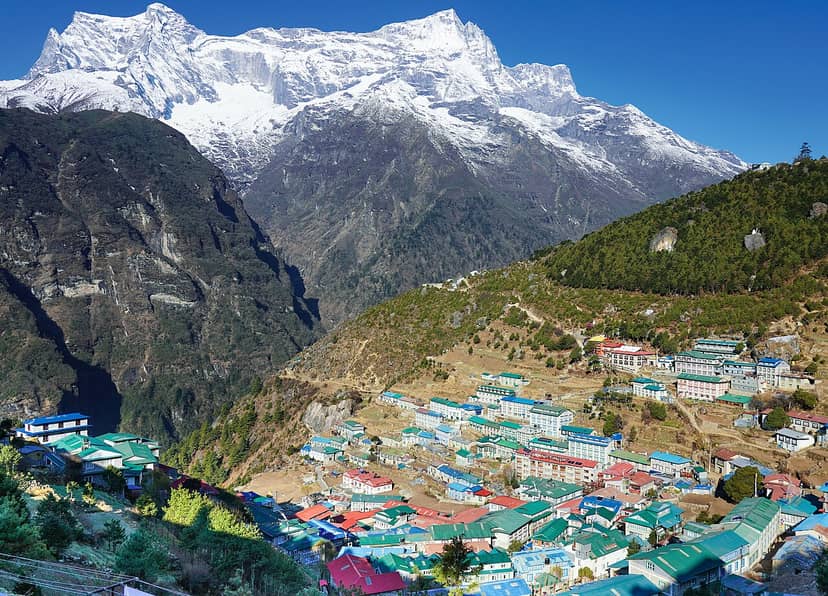
Even good itineraries can break the 500 m guideline on some days, because of where villages are located. On those days, it's especially important to rest, watch for symptoms and tell your guide how you feel. Before booking, ask how your trek handles this.
Alcohol and sleep aids
The CDC advises avoiding alcohol for the first 48 hours at high altitude. It also says alcohol and other respiratory depressants shouldn't be used as sleep aids at altitude.
Medication
Acetazolamide (often sold as Diamox) can help prevent AMS. The CDC describes when it may be used, depending on your risk level, and lists a usual preventive adult dose of 125 mg every 12 hours, starting the day before ascent. It's a prescription medicine in many countries and can have side effects, and it isn't suitable for everyone. Discuss it with your doctor before you go.
Don't rely on medicine to go up faster, or to continue climbing despite symptoms.
What to do if you have symptoms
- Tell your guide straight away. Don't hide it to avoid slowing the group down.
- Don't go any higher to sleep. The CDC says this applies however minor your symptoms seem.
- Rest where you are if symptoms are mild, and see whether they improve.
- Go down if they get worse. The CDC says AMS improves rapidly with a descent of at least 300 m, and that descent is mandatory if symptoms worsen at the same altitude despite treatment.
- Descend immediately for signs of HACE or HAPE, and get medical help. Don't wait for morning if the person is getting worse and it's possible to move them safely.
Don't assume it's something else
At altitude, it's safest to treat a new headache or illness as altitude-related until proven otherwise. Blaming tiredness, a cold or dehydration is a common and dangerous mistake.
What this looks like on a real trek
Here's how sleeping heights build on our Everest Base Camp itinerary. Reported altitudes vary slightly by source.
| Day | Sleep at | Height |
|---|---|---|
| 3 | Phakding | 2,610 m |
| 4 | Namche Bazaar | 3,440 m |
| 5 | Namche Bazaar (rest day) | 3,440 m |
| 6 | Tengboche | 3,860 m |
| 7 | Dingboche | 4,410 m |
| 8 | Dingboche (rest day) | 4,410 m |
| 9 | Lobuche | 4,910 m |
| 10 | Gorak Shep | 5,164 m |
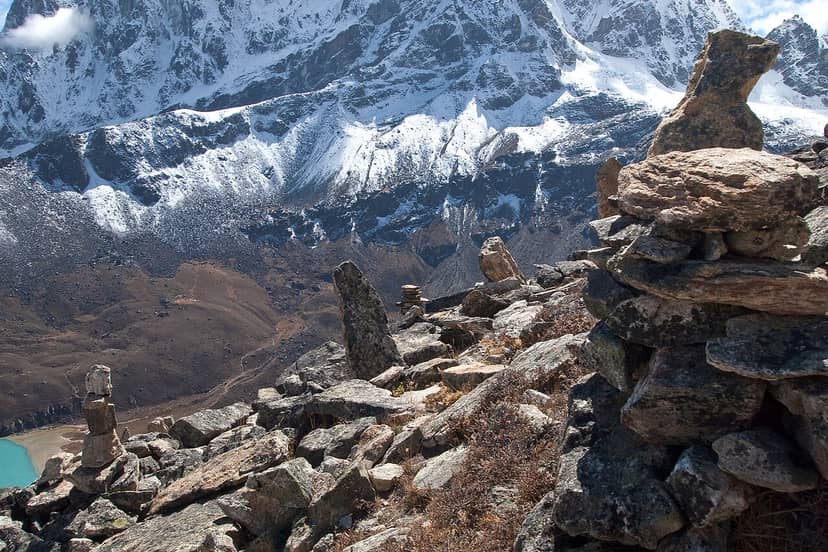
Notice that some days gain more than 500 m because of where villages are. Rest days help, but they don't remove the risk, so pay close attention on those days.
Common myths
- "I'm fit, so I'll be fine." Fitness doesn't protect you, and fit people sometimes climb too fast.
- "I've been high before without problems." It's helpful to know, but it isn't a guarantee.
- "A headache is just dehydration." It might be, but at altitude treat it as altitude illness until proven otherwise.
- "Painkillers mean I can keep going." They may hide symptoms, and they don't fix the cause.
- "Diamox lets me ascend faster." It's not a licence to skip safe ascent rules.
What to carry
- Any medicines your doctor has prescribed for the trip, along with written instructions
- Your insurer's emergency number and policy details
- Warm layers, because cold and exhaustion make everything harder
- Water purification, so you can keep drinking safely
Common questions
At what height does it start?
The CDC says going from low altitude to sleeping above about 2,750 m in one day should be avoided, and many treks in Nepal go well above this.
Does a pulse oximeter help?
Some guides use them to watch trends, but a reading doesn't diagnose you. How you feel, and how you walk and think, matter more. Don't ignore symptoms because of a good number.
Can I fly to Lukla without problems?
Lukla is about 2,860 m, and trekkers usually descend to sleep at Phakding on the first night. Take it easy on those first days.

Who's at higher risk?
Going high too quickly is the biggest risk factor, and a previous episode of altitude illness also matters. Fitness doesn't protect you. Talk to your doctor before you travel if you have a heart or lung condition, are pregnant, or have had altitude illness before.
Insurance and evacuation
Check that your insurance covers the maximum altitude of your route, and helicopter evacuation. The UK government specifically recommends checking this, and it warns of cases where trekkers were taken too high too quickly and then sent on expensive helicopter evacuations. Ask your agency how those decisions are made.
Help on the trail
The Himalayan Rescue Association runs an aid post at Pheriche on the Everest route during the main seasons. Facilities vary and aren't available everywhere, so it's best to plan around the idea that descending is your main treatment.
Choosing a safer trek
Look for a plan with built-in acclimatization days, like our Everest Base Camp itinerary, which has rest days in Namche Bazaar and Dingboche. If you'd rather stay lower, consider the Everest Panorama Trek or Ghorepani Poon Hill Trek.


Comments