
What it costs
These are reported figures, mostly from operators, and they aren't Journey Vibes prices.
| Option | Reported price |
|---|---|
| Shared flight from the base camp area | About US$800 to US$1,300 per person |
| Private charter from the base camp area | About US$4,500 to US$4,800, usually for up to five people |
| Wider estimate for a flight from Gorak Shep | About US$2,000 to US$4,000, depending on the start point and flight type |
| Full trek packages including the flight | About US$2,400 to US$3,200 per person |
| Shared Lukla to Kathmandu helicopter seat | About US$650 to US$700 per person |
One operator's own page gives several different figures, which shows how hard it is to compare these prices. The total depends on how many people share, the season and the destination. Some companies may also add airport taxes, fuel surcharges or service fees, so ask about each one.
How the trip works
You walk up as normal, usually via Namche Bazaar and Dingboche, with rest days to acclimatize. After reaching base camp and often Kala Patthar, you fly from the upper valley to Lukla or Kathmandu. One operator gives about 30 to 45 minutes to Lukla.
Our standard 15-day trek walks back and allows three days from Kala Patthar to Lukla. Flying out can save several days, but ask how your plan will change if the helicopter can't fly.
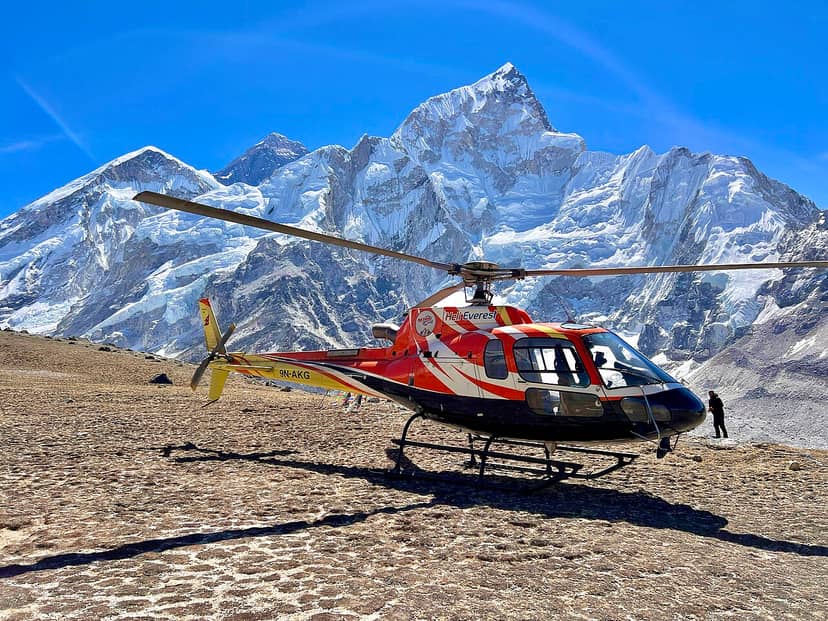
Shared or private?
| Shared | Private | |
|---|---|---|
| Cost | Lower per person | Higher, unless your group fills the seats |
| Timing | May wait for other passengers | More flexible |
| Best for | Solo travellers and couples | Groups, families and photographers |
Luggage limits
One operator lists a limit of 15 kg of luggage. Limits vary, and helicopters carry less weight in thin air. Ask for the limit in writing, and ask how extra bags will reach you. Your porter may have to carry them down, which can take days.
Weather and delays
Strong wind and low cloud can ground helicopters, and shared flights may also wait for other passengers. Keep at least one or two spare days before your international flight. Don't assume that a helicopter is a guaranteed way of catching a flight home.
Is flying safe?
All flying in the mountains has some risk. The UK government says that no Nepali airline currently meets the international safety standards needed to fly in UK airspace, and it advises checking the UK Air Safety List when you're choosing whether to fly and which airline to use. Read our guide to Lukla airport, and weigh this up with your own travel insurer.
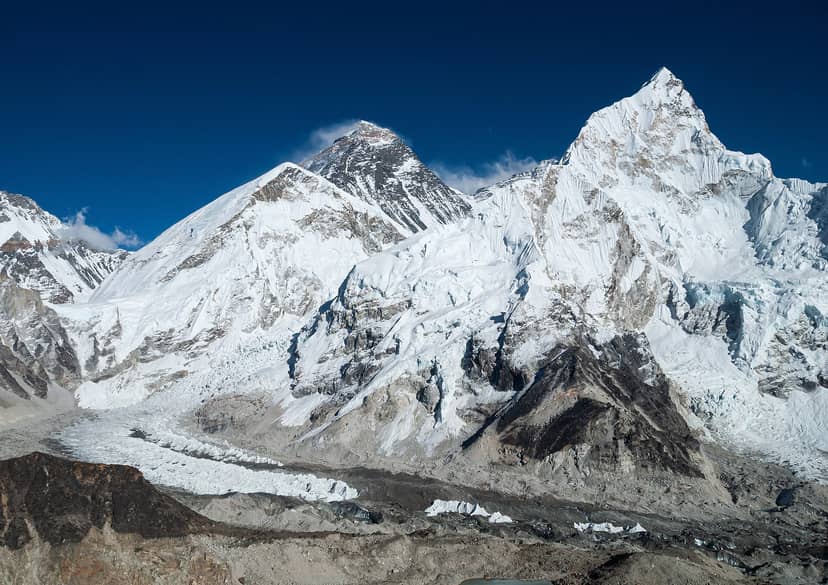
Don't fly up too fast
A return flight is different from flying in. If you fly straight to high altitude, you haven't had time to adapt. The trek up gives you that time, so a helicopter out doesn't remove the need for proper acclimatization on the way. Read our altitude sickness guide.
If you only want the views, our helicopter tour is a separate day trip. It isn't a trek, and the time spent at high altitude is short.
Insurance and rescue scams
Check that your policy covers trekking at the right height, and helicopter evacuation. A planned scenic return usually isn't the same as an emergency rescue, so don't expect your insurer to pay for it unless you've confirmed this in writing.
The UK government also warns that some guides have taken inexperienced trekkers to altitude too quickly and then called expensive helicopters. If anyone pressures you to fly, ask for a clear medical reason, and call your insurer before you accept. See our insurance guide.
Is it worth it?
| Worth considering if… | Maybe skip it if… |
|---|---|
| You're short on time | You're on a tight budget |
| Your knees struggle with long descents | You'd enjoy the walk back through villages |
| You'd love an aerial view of the Khumbu | You're concerned about flight safety |
How to compare quotes
- Is the seat shared or private, and how many people must share for that price?
- Does it land at Lukla or Kathmandu?
- Where exactly does it pick you up?
- Are taxes, fuel surcharges and service fees included?
- What is the luggage limit?
- What happens, and who pays, if bad weather stops the flight?
Who pays if plans change?
Ask this before you pay anything. If cloud grounds the helicopter, you may need extra nights in the mountains, a walk down to Lukla, or a new flight home. Find out whether your deposit is refundable, whether another flight is included, and whether your guide stays with you until you fly.
Common questions
Can you land at Everest Base Camp?
Pick-up points vary, and one travel guide notes that sightseeing helicopter tours usually don't land at base camp. Ask your operator exactly where the helicopter will pick you up.
Can I decide once I'm on the trail?
Sometimes, but seats and prices can't be guaranteed, and you'll need a way to pay. It's easier to arrange this before you go.
Do I save money compared with walking?
Usually not. You may save some lodge and food costs, but the flight costs far more.
Next steps
Compare our Everest Base Camp Trek and helicopter tour, read our full cost guide, or ask us for a written quote.


Comments