
The Kathmandu Valley is a UNESCO World Heritage Site made up of seven monument zones: the Durbar Squares of Kathmandu, Patan and Bhaktapur, the Buddhist stupas of Swayambhunath and Boudhanath, and the Hindu temples of Pashupatinath and Changu Narayan.
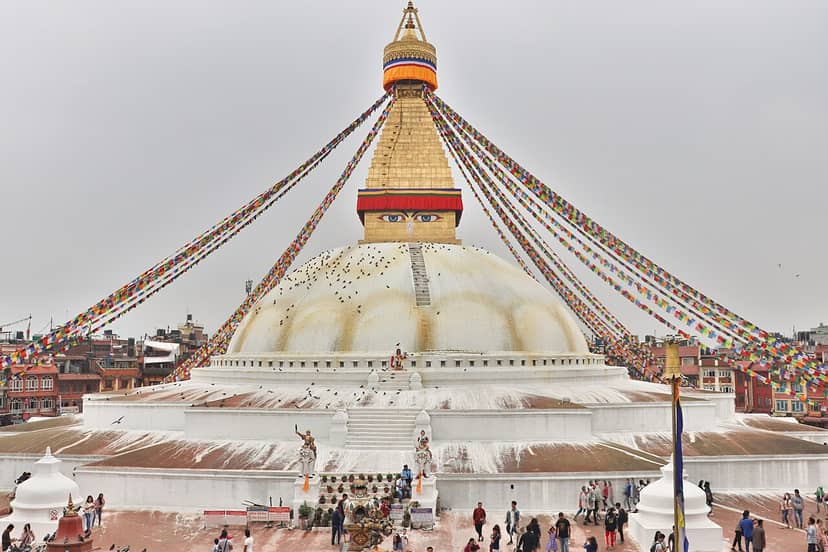
1. Boudhanath Stupa
This huge white stupa is one of the most important Buddhist sites in Nepal and a centre of Tibetan Buddhist life in the valley. Go in the early morning or around dusk, when pilgrims walk clockwise around the dome, spinning prayer wheels. Join them, and keep walking clockwise yourself.
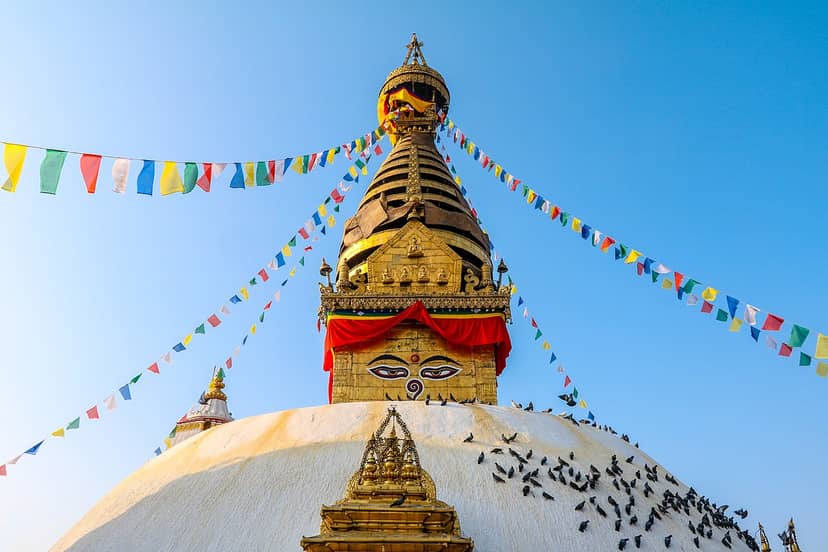
2. Swayambhunath, the Monkey Temple
This ancient hilltop stupa has painted eyes that look across the city, and it's a sacred site for Buddhists and Hindus alike. The main stairway is a stiff climb, but the view over Kathmandu is excellent on a clear day. Watch your belongings around the monkeys, and don't feed them.
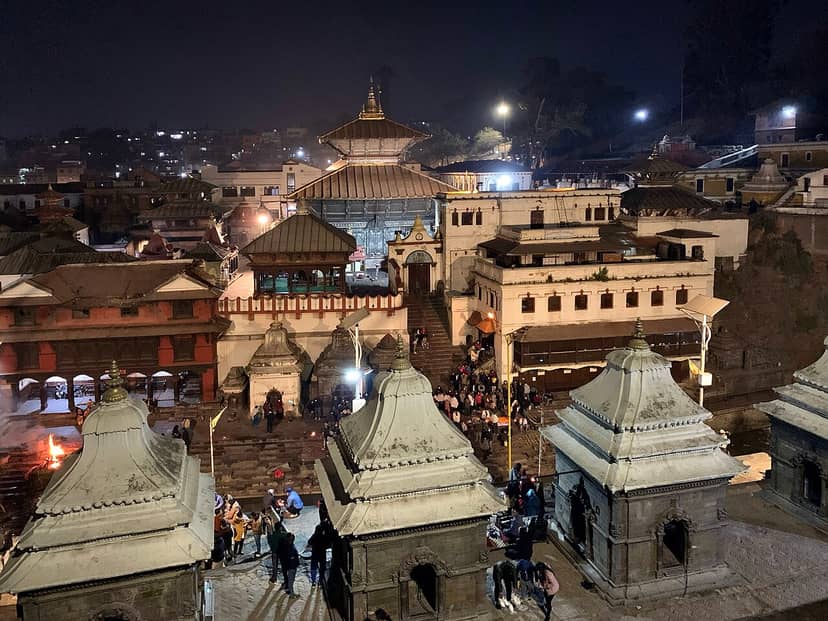
3. Pashupatinath Temple
This is Nepal's most important Hindu temple complex, set along the sacred Bagmati River. Non-Hindus can't enter the main temple, but you can explore the wider site and look across the river.
Open-air cremations take place on the riverbank, so please be respectful and don't photograph grieving families. An evening aarti ceremony draws many visitors.
4. Kathmandu Durbar Square
The old royal square, also known as Hanuman Dhoka, is full of palaces, temples and courtyards. You may see the Kumari Ghar, home of the Living Goddess. Some buildings were badly damaged in the 2015 earthquake and restoration has been taking place, so don't be surprised to find some work still going on.
5. Patan Durbar Square
Patan, also called Lalitpur, is a short drive across the river and is known for fine metalwork and woodcarving. Its Durbar Square and the Patan Museum are highlights. Our Patan day tour also visits the Golden Temple and working craft studios.
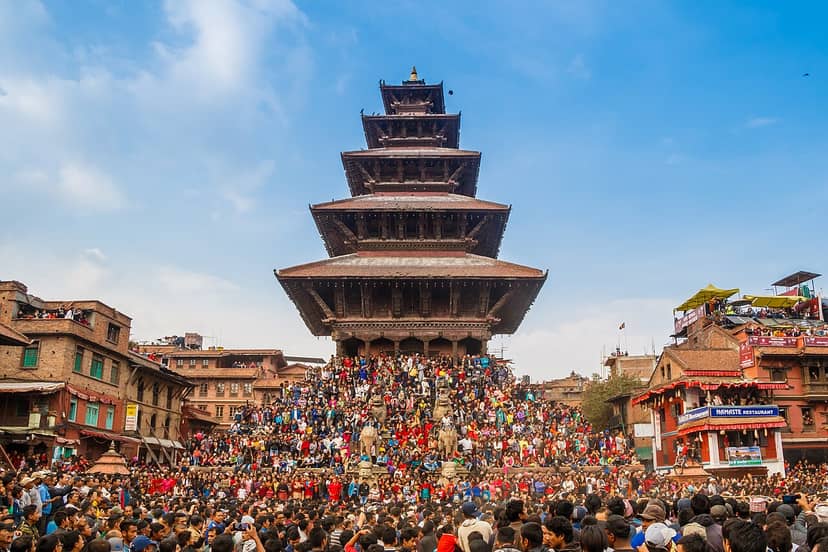
6. Bhaktapur
Bhaktapur is the best preserved of the valley's three old royal cities, and it's worth at least half a day. See Nyatapola Temple, Pottery Square and the brick lanes, and try juju dhau, the local sweet yogurt. For a slower visit, stay overnight on our Bhaktapur and Nagarkot Tour.
7. Walk the old market lanes
Walk from Thamel through Asan and Indra Chowk towards Durbar Square, past spice sellers, shrines and small courtyards. It's one of the best free things to do in the city, though traffic can be heavy, so stay alert.
8. Thamel
Thamel is the main tourist district, packed with restaurants, gear shops and guesthouses. It isn't traditional Kathmandu, but it's useful for last-minute trekking supplies and for a good meal before or after a trek.
9. Garden of Dreams
This restored early twentieth-century garden, right next to Thamel, is a calm place to escape the traffic for an hour or two.
10. Try momos and Newari food
Momos (dumplings) are everywhere. Look out for Newari cuisine too, which reflects the valley's traditional culture, or try a set of dal bhat.
Day trips and short breaks
- Nagarkot: a hilltop viewpoint for Himalayan sunrise, weather permitting.
- Changu Narayan: another of the valley's UNESCO sites, reached by road or on foot from Nagarkot.
- Dhulikhel and Namobuddha: a Newar hill town and a large Buddhist monastery complex, on our short tour.
- Everest flights: a scenic mountain flight or a helicopter tour.
What it costs to enter
Most major heritage sites charge foreign visitors an entry fee, and nationals of SAARC countries often pay less. Figures reported in 2026 vary, so treat them as rough guides:
| Site | Reported fee for foreigners |
|---|---|
| Kathmandu Durbar Square | About NPR 1,000 to 1,500 |
| Patan Durbar Square | About NPR 1,000 or US$10 |
| Bhaktapur Durbar Square | About NPR 1,500 to 1,800, or up to US$18 |
| Swayambhunath | About NPR 500 |
| Pashupatinath | About NPR 1,000 |
| Garden of Dreams | About NPR 500 |
Check at the ticket office, and keep your ticket with you, because you may be asked for it again.
A simple two-day plan
| Morning | Afternoon and evening | |
|---|---|---|
| Day 1 | Kathmandu Durbar Square and the old market lanes | Swayambhunath, then Boudhanath at dusk |
| Day 2 | Pashupatinath, then Patan Durbar Square and museum | Bhaktapur, or an overnight stay in Nagarkot |
This is a full schedule, and Kathmandu's traffic can slow you down. If you have a third day, spend it slowly in Bhaktapur.
Where to stay
- Thamel: convenient for shops and restaurants, but busy and noisy.
- Patan: a calmer base, with a strong local feel and many courtyards.
- Boudha: peaceful around the stupa, especially early in the morning.
- Bhaktapur: a beautiful stay away from the city's traffic, although it's further from the airport.
Getting around
Taxis are the usual choice, and it's best to agree a fare before you set off. Ride-hailing apps are also used in the city. Distances look short on the map, but traffic can make journeys slow, so don't plan too many sites in one day. A private car and guide for a day is a simple way to visit several sites.
When to visit
Autumn and spring are the most comfortable seasons, and winter days are generally pleasant but chilly at night. In the monsoon, expect rain and occasional disruption, though the heritage sites still make for a good trip. Festival days can be spectacular but crowded.
Common questions
Is two days enough?
It's enough for the main highlights, but three days is more relaxed.
Is Kathmandu worth visiting, or should I go straight to the mountains?
It's well worth a couple of days. The valley's concentration of heritage sites is remarkable, and it's a great way to end a trek.
Can I see the mountains from Kathmandu?
Sometimes, on clear days, particularly after rain or in autumn and winter. For a better view, go up to Nagarkot.
Is Kathmandu safe?
Check your own government's latest travel advice before going. Take normal precautions with your valuables, and be careful in traffic and crowds.
Practical tips
- Dress modestly at religious sites, and remove your shoes where asked.
- Walk clockwise around stupas and prayer wheels.
- Ask before taking photos of people, particularly at ceremonies.
- Allow plenty of time. Traffic is often slow.
- Consider a mask if dust and pollution bother you.
- Hire a licensed guide, at least for a day, because the stories behind these sites are half the experience.
How long to stay
Two to three full days covers the highlights without rushing. If you're going on a trek, try to spend time here afterwards, when you can relax without worrying about your flight to the mountains.
See our Kathmandu Valley Heritage Tour or the week-long Nepal Highlights Tour.


Comments