
These are market ranges reported in 2026, not Journey Vibes prices. For our itinerary, see the Annapurna Base Camp Trek page.
What affects the price
- Length: trips range from about 7 to 14 days, depending on where you start and where you finish.
- Group size: private trips cost more per person than group departures.
- Inclusions: meals, permits, porters and transport aren't always included.
- Transport: a tourist bus to Pokhara is cheaper than a flight.
- Season: lodges and guides are most in demand in spring and autumn.
Permits
The Annapurna Conservation Area Permit (ACAP) is widely reported as NPR 3,000 for foreign visitors. Some sources mention a total of about NPR 3,390 with VAT.
The TIMS card is the point sources disagree on. A 2026 operator list gives NPR 2,000 for independent trekkers and NPR 1,000 per person for groups. Other sources describe TIMS as optional or no longer needed on this route, while the UK government still says you need a permit and a TIMS card for the main trekking regions. Ask your operator to confirm what's currently required. See our permit guide for more.
Guide and porter
Recent 2026 figures for this route are around US$25 to US$35 per day. One listing combines guide and porter in that price, so check exactly who you're paying for. Older pages quote lower rates and are probably out of date. Packages normally include staff wages.
Tips are customary and usually aren't included. Ask your operator what's normal, so you can budget for it.
If you're wondering whether you can skip the guide, read our guide to the current rules.
Teahouses and food
One 2026 breakdown suggests about US$25 to US$40 per day for food and lodging if you're paying your own way. Older estimates of a few dollars a night for a room may be out of date, so use recent figures.
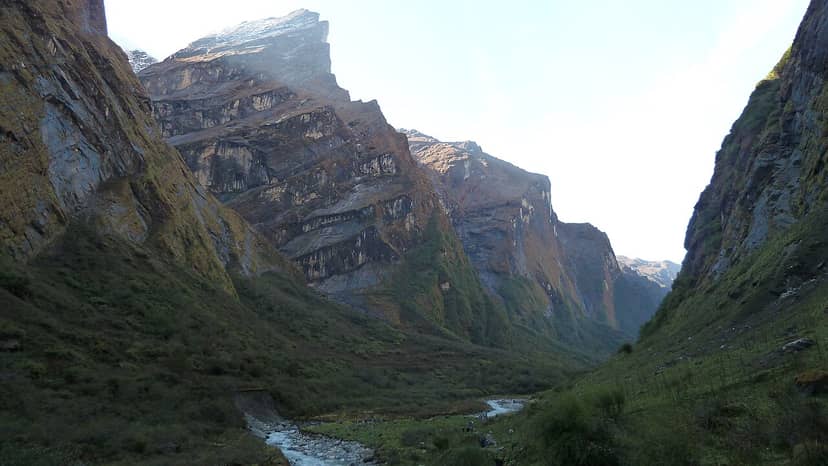
Lodges in the upper gorge near Deurali and at the base camps have a limited number of beds and can fill quickly in peak season. Hot showers, device charging and Wi-Fi often cost extra.
Getting to the trailhead
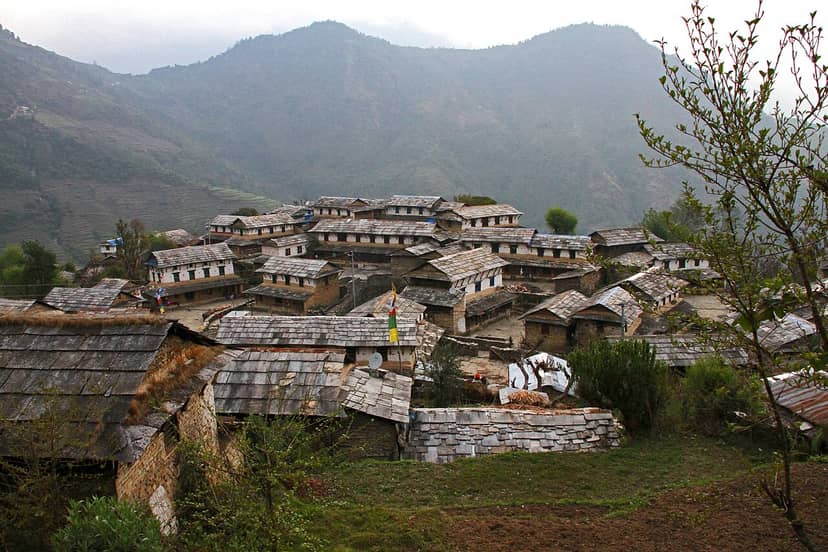
Most trips travel through Pokhara. You can take a tourist bus or a short flight from Kathmandu. From Pokhara, local roads now reach much closer to the trail than they used to, and many itineraries drive to Ghandruk or a nearby road head. Check which transfers your quote includes, because shared and private jeeps are priced very differently.
A sample budget
| Item | Rough range (US$) |
|---|---|
| Standard guided package | 700 to 1,000 |
| Permits, if not included | About 35 to 50 |
| Nepal visa | About 50 for 30 days |
| Travel insurance | Check quotes for trekking cover |
| Tips and personal spending | Allow a modest amount each day |
This doesn't include international flights, or any gear you need to buy. One published estimate puts a total guided trip at about US$800 to US$2,200, depending on your choices.
Things to check before you book
- Are meals included, and which ones?
- Is every permit included, and does the price include any VAT?
- Does the price include transport from Kathmandu or only from Pokhara?
- How many hotel nights are included?
- Is a porter included, or is that extra?
- What happens if heavy snow blocks the upper gorge?
The last point matters. Avalanche risk can close the path between Deurali and Machhapuchhre Base Camp after heavy snow. A good guide will turn back rather than take that risk, so don't choose an operator who promises otherwise.
Save money without cutting corners
- Share a room and travel in a small group.
- Take the tourist bus to Pokhara if you have time.
- Carry a water filter or purification tablets instead of buying bottled water.
- Eat local dal bhat, which is filling and often offers refills.
- Buy or rent gear in Kathmandu or Pokhara, but keep your own well-worn boots.
Don't save on insurance or on acclimatization. You also shouldn't choose a cheap operator without asking how staff are paid and equipped.
How does it compare with Everest Base Camp?
| Annapurna Base Camp | Everest Base Camp | |
|---|---|---|
| Reported guided package | About US$600 to US$1,300 | About US$1,250 to US$1,800 |
| Highest sleeping point | 4,130 m | About 5,164 m |
| Mountain flight needed | No | Usually yes, to Lukla |
| Our itinerary | 11 days | 15 days |
The main difference is the Lukla flight, and the shorter time means fewer days of staff wages and lodge costs. It's a good choice if you want a big-mountain finish on a smaller budget.
Costs that vary by season
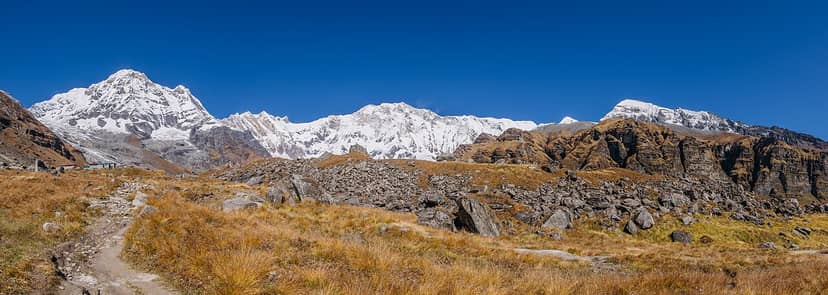
In the busy autumn and spring seasons, popular lodges in the upper valley fill up, so your guide may need to book ahead or change the overnight stop. Winter is quieter but colder, with greater snow and avalanche risk in the upper gorge. In the monsoon, expect rain, leeches and possible road problems. Our season guide explains more.
Common questions
Can I do it for less than US$500?
Some sources mention packages from about US$500, but look carefully at what's left out. Check that the guide is licensed and properly paid, and that you're not missing permits, transport or meals.
How much cash should I carry?
If meals are included, you'll mainly need money for drinks, hot showers, charging, snacks and tips. If they aren't, one 2026 estimate is about US$25 to US$40 per day for food and lodging. Carry rupees from Pokhara, because cash machines may not be available on the trail.
Are there hot springs on the route?
Yes. Jhinu has natural hot springs near the river, and they're a popular stop on the way down. Allow a little for the entry charge.
Do I need a guide?
Recent sources say international trekkers on this route need a licensed guide. Read our guide to the rules for what's clear and what isn't.
Next steps
See the day-by-day Annapurna Base Camp itinerary, compare it with Everest Base Camp costs, or ask us about current prices and dates.


Comments